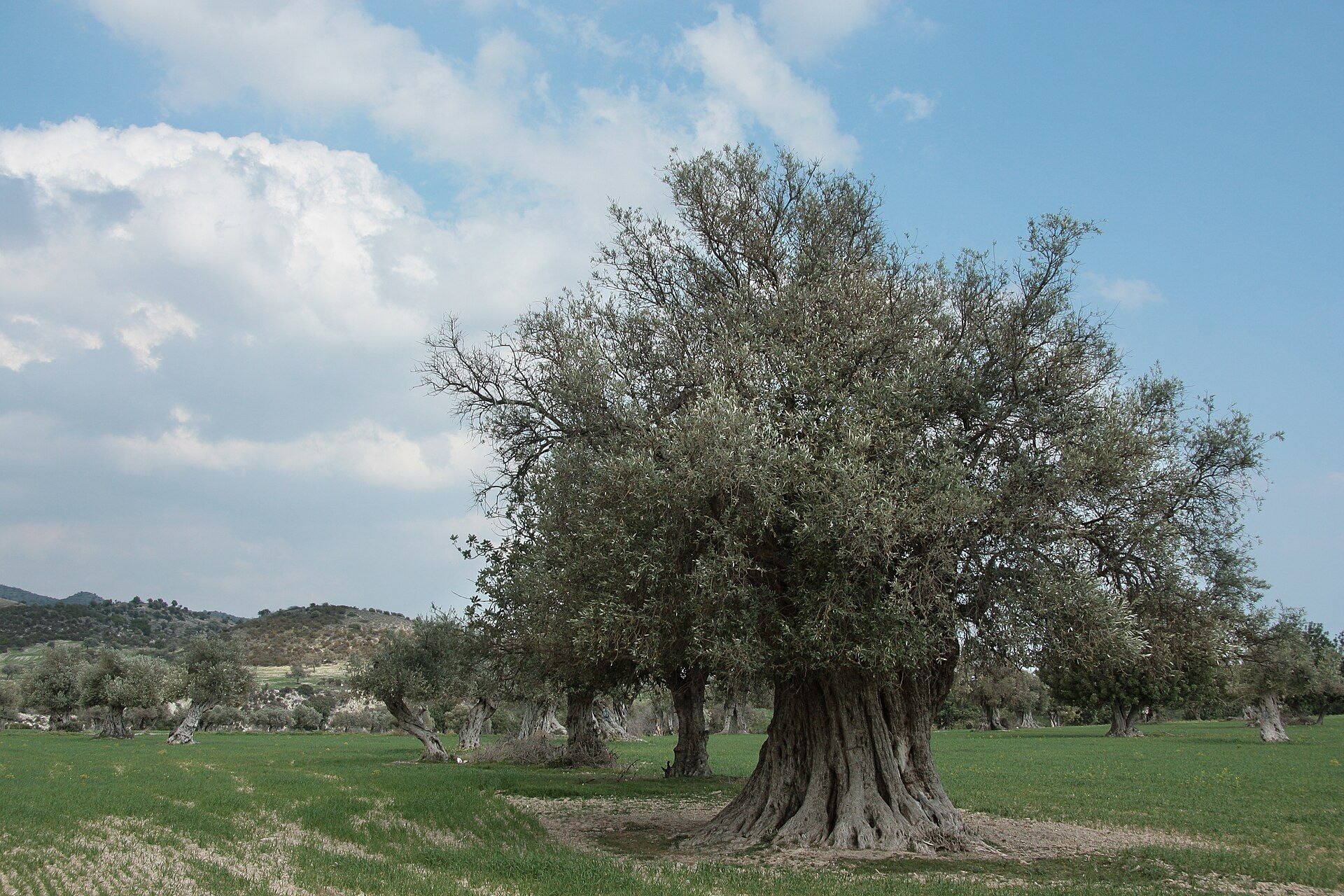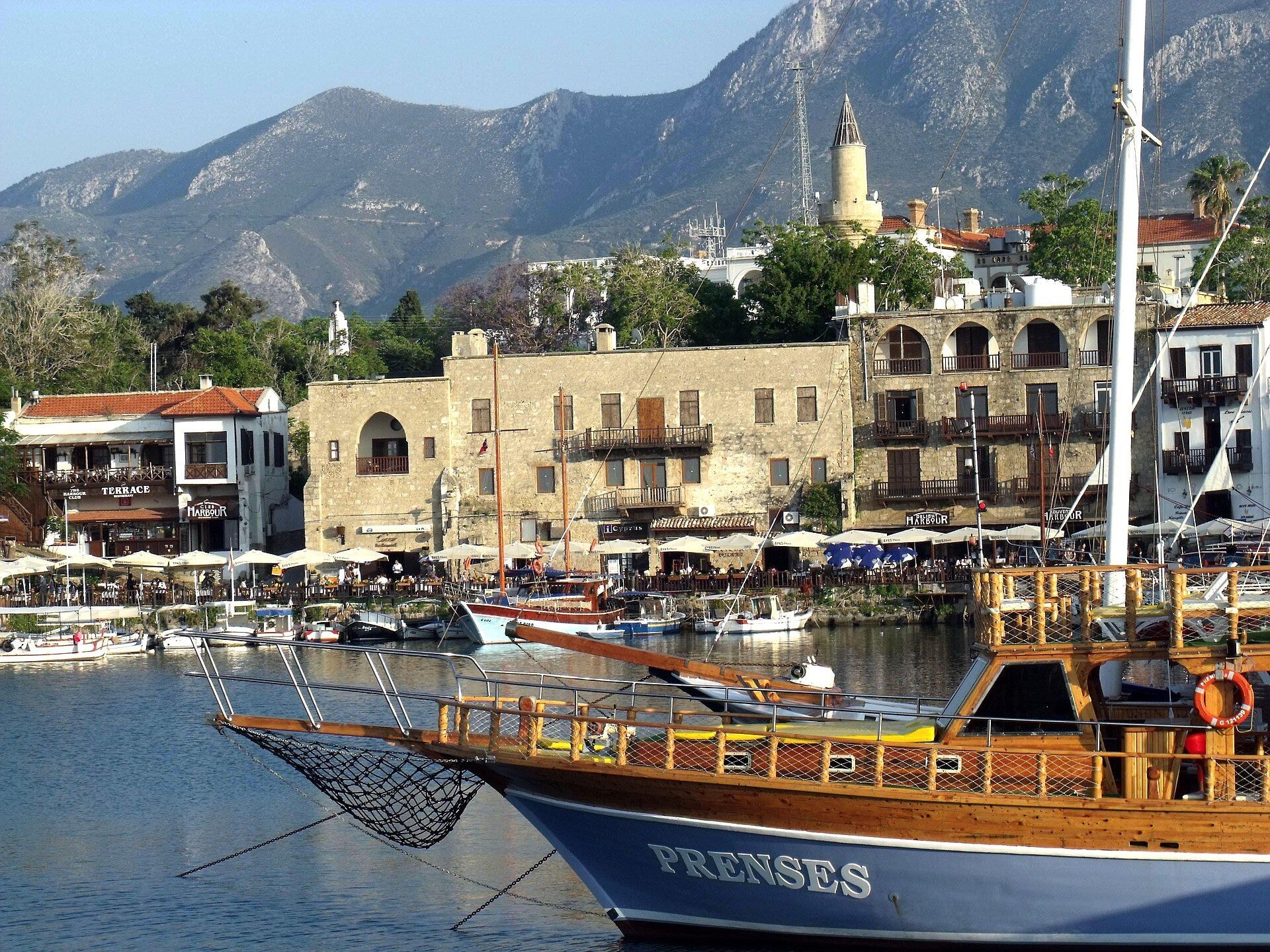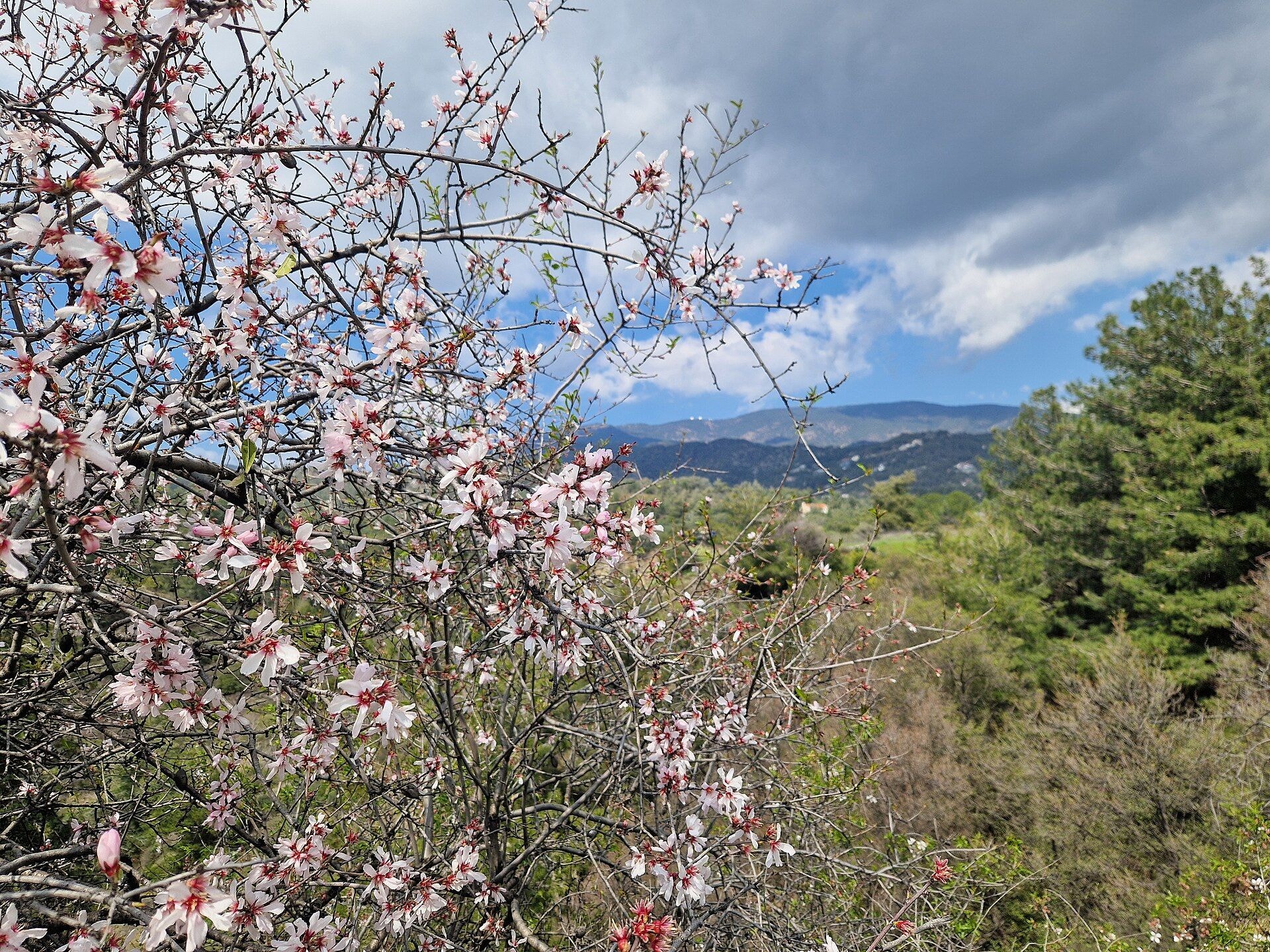
Almond blossom in March, 38 °C in August, green hills in January — plus water, power, doctors and schools. What a whole year on the island really looks like.
North Cyprus does not really have four seasons. It has two: eight months of dry and four months when the island turns green. Anyone who arrives for the first time in August takes home a memory of scorched hills and softened asphalt. Anyone who arrives in February cannot understand why the island is called dry - the slopes are carpeted with grass and water runs in the ditches. Both pictures are true. Here is how a whole year goes.
Spring: almond blossom, orchids and the best walking months
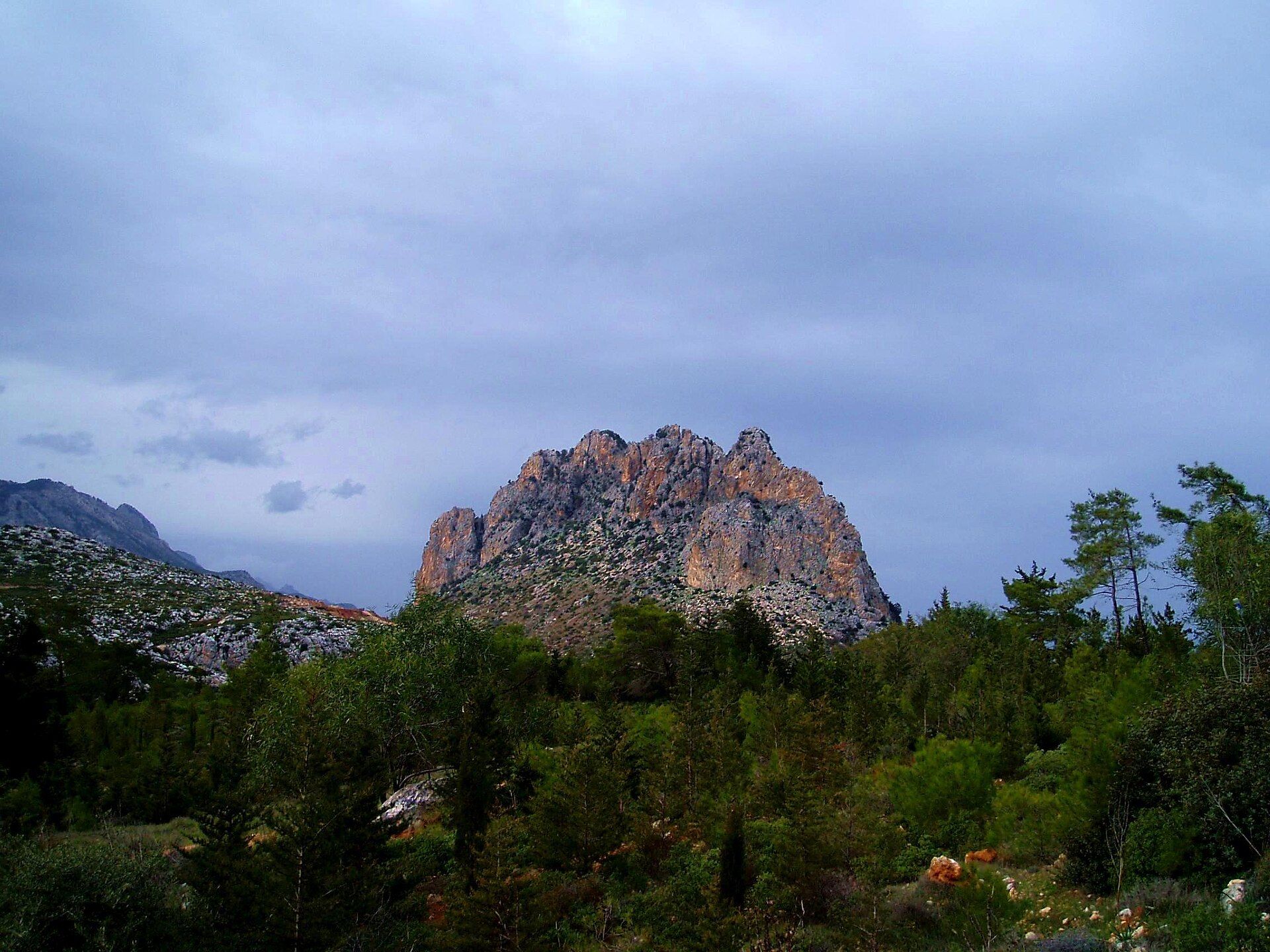
The first almond trees flower as early as late January, but real spring arrives in March. Daytime temperatures sit between 18 and 22 �C and you still want a jumper in the evening. This is when the slopes of the Kyrenia range look their best: wild orchids come out - the island has more than fifty species - along with cyclamen and poppies. It is the only time of year when you can set off on a full-day climb to Buffavento or Kantara castle without cooking yourself.
By April the air reaches 25 �C and the season of long lunches outdoors begins. The sea is still cold, around 18 �C. In May it warms to 21-23 �C, which is enough for the hardier swimmers. Towards the end of May the landscape turns from green to gold - the grass dries out in under three weeks.
Summer: heat you can live with
From June to September the pattern repeats daily: blue sky, no rain, 33 to 38 �C. The interior around Nicosia runs a few degrees hotter than the coast, where a sea breeze arrives in the evening. Humidity is higher by the water, but bearable.
Life simply moves to different hours. Shopping and errands are done before ten in the morning, the afternoon is for sleeping or sitting in the shade, and from six in the evening the towns fill up again. Seafront restaurants only get going properly after sunset. In August the sea holds around 27 �C - warmer than most swimming pools.
Autumn: the most pleasant time of the year
If we had to recommend two months, they would be October and November. The air drops to 25-28 �C, the crowds go home, and the sea keeps its summer warmth - swimming is comfortable until the end of October and plenty of people carry on into November. The first rains usually arrive in mid-November: short and heavy, leaving the smell of wet earth behind, and within a week the first grass appears. That is also when the windows finally open after three months of air conditioning.
Winter: green and wet rather than cold
Winter here is not winter as most Europeans know it. Daytime temperatures run 12 to 18 �C and drop to 7-8 �C at night. Snow falls only on the summits, and rarely. What it does is rain - most of the year's precipitation falls between December and February, often as several wet days in a row. Between them come sunny days when lunch is still eaten outside. The mountains are noticeably cooler and windier than the coast; expect a difference of three to five degrees.
One thing to plan for: flats here have no central heating. Heating comes from air conditioning with a heat pump, running in reverse in winter - and in a well-built flat that is quite enough. Older stone houses feel damp in January, so it pays to air the rooms and keep a dehumidifier.
Water, electricity, internet
The island gets more than three hundred sunny days a year and has little water of its own. Since 2015 drinking water has therefore been piped along the seabed from Turkey - a line of roughly eighty kilometres that covers a substantial part of consumption. At home most people still drink bottled water.
Electricity is more stable than it was ten years ago, but short cuts still happen, mainly during summer peaks and winter storms. That is why newer residential complexes have a generator for the common areas and lifts - a question worth asking during a viewing. Solar water heaters sit on practically every roof, so hot water costs next to nothing from April to October. Fibre internet reaches Kyrenia, Famagusta, Iskele and most new developments, and mobile data covers even the Karpaz peninsula.
Doctors, schools, universities
Healthcare rests on private clinics - the largest are in Nicosia and Kyrenia, with modern equipment and doctors who usually speak English. State hospitals charge foreigners, so travel or expat insurance here is not a luxury but a fixed line in the budget.
There are several schools with international programmes around Kyrenia and Famagusta, most teaching in English. The universities surprise every first-time visitor: the campuses in Famagusta and Kyrenia hold tens of thousands of students from all over the world, and they are the reason the island stays lively well outside the tourist season.
When to come and look at property
The best months for viewings are April, May, October and early November. The weather lets you cover several locations in a day, the sea is still warm, and you see the island in the state you will most often experience it. If you want reality without the gloss, come in January or August - January shows you how a flat heats and where the draughts are, August shows you whether the terrace has afternoon shade. If you are still choosing dates, we at CyprusGlobal are happy to advise which week makes sense for the areas you have in mind.