Eighty kilometres without a single resort — wild donkeys, empty beaches and a monastery at the very end of the road.
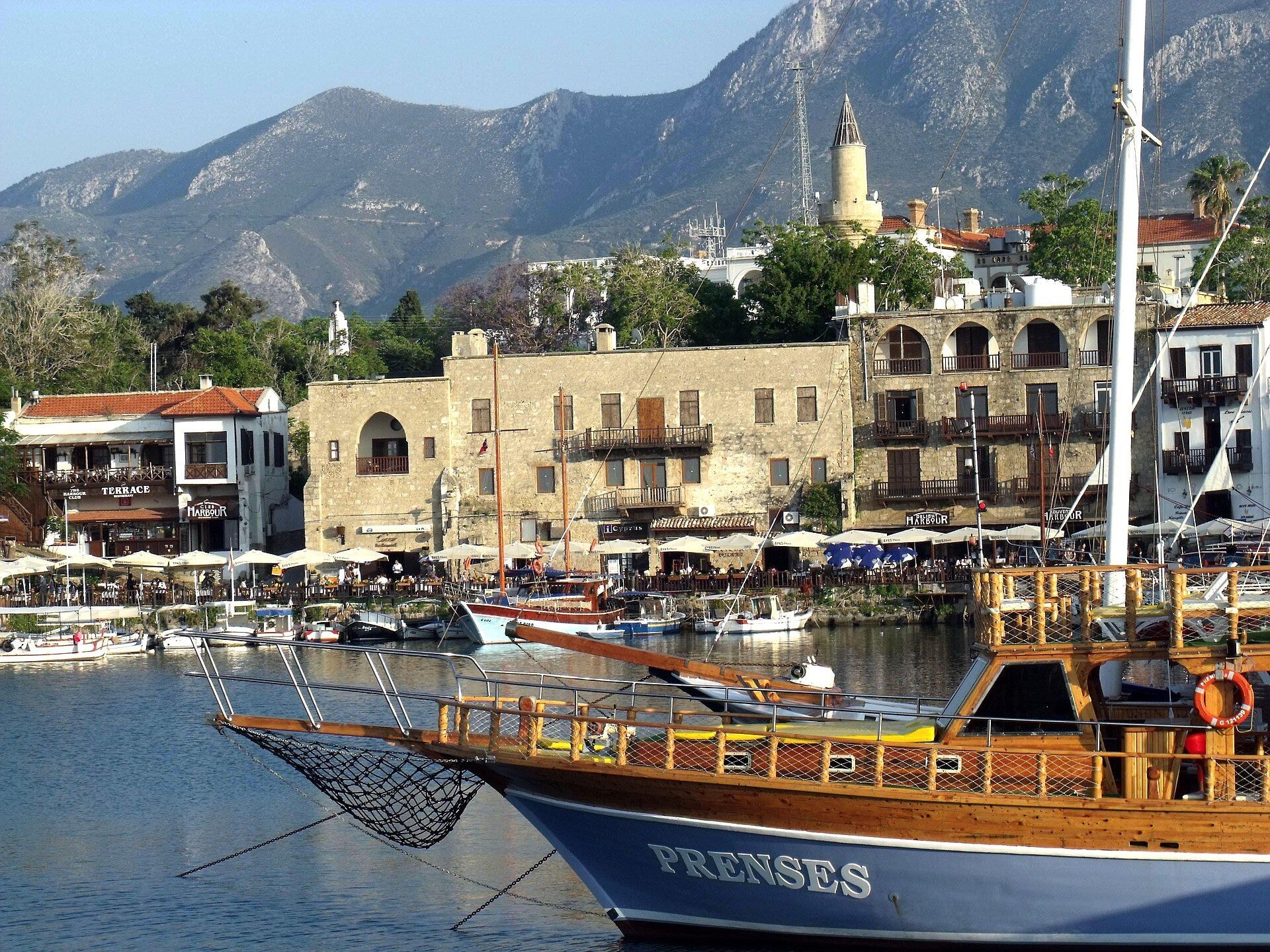
Head north-east out of Famagusta and the road narrows, the villages thin out and after a while even the billboards disappear. The adverts for new resorts that followed you along the whole coast simply stop. This is where Karpaz begins - a long, narrow peninsula that forms the eastern tip of the island and its least developed corner.
A landscape without resorts
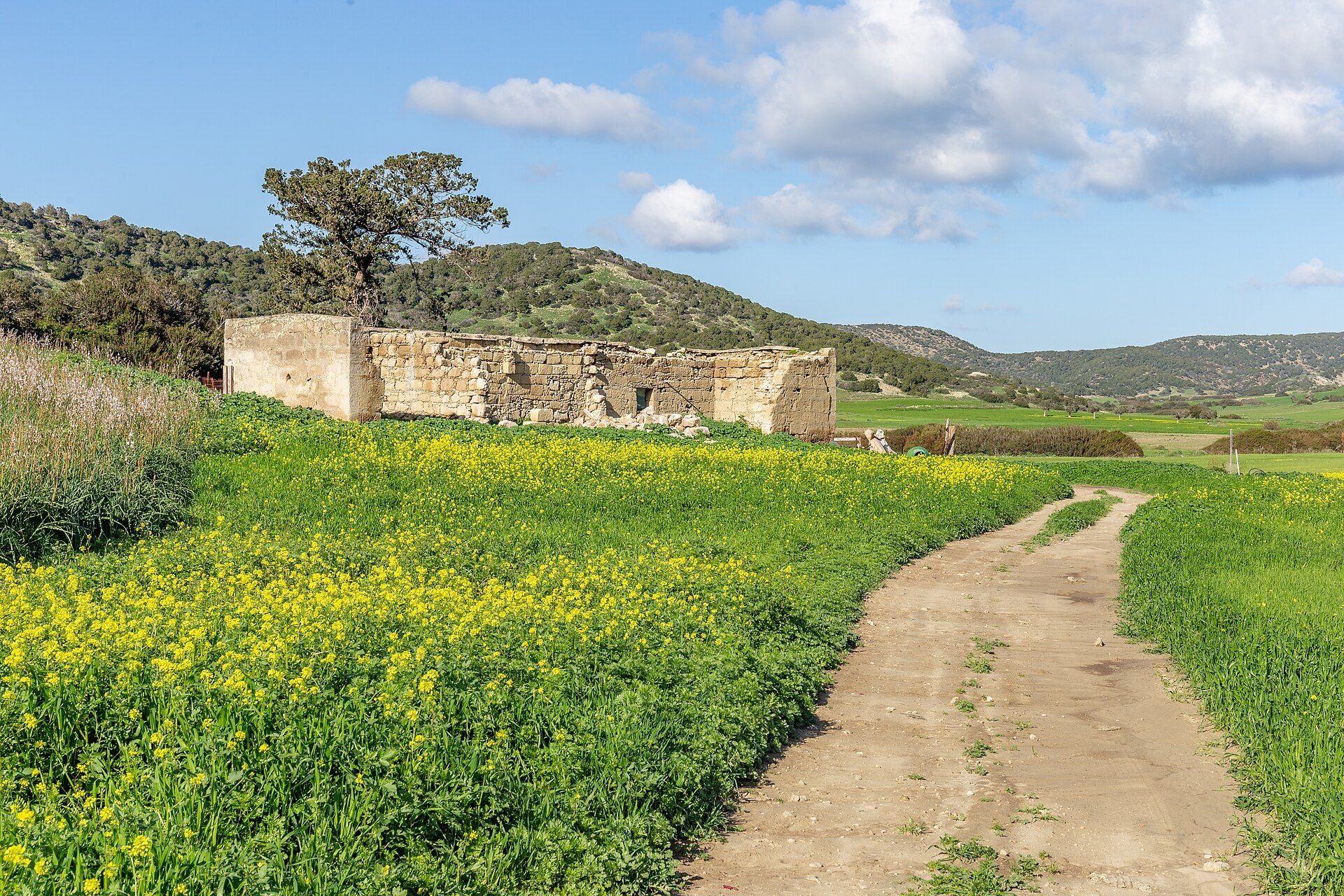
The peninsula runs for some eighty kilometres and most of it lies inside a protected area. There are no hotel complexes here, no rows of sunbeds and no large-scale construction - protected status keeps building in check, so the land looks much as it did fifty years ago. The coast alternates between empty beaches and rocky stretches; inland there are fields, olive trees and a handful of quiet villages, with twenty-minute drives between them in which you may not meet a soul. Driving to the far end takes about two and a half hours from Kyrenia, slightly less from Famagusta.
Wild donkeys
The best-known residents of Karpaz are its wild donkeys. They are descendants of domestic animals abandoned after 1974, when most of the villages emptied out. They have bred freely ever since and today several hundred live on the peninsula. They roam where they like, often right beside the road, and they are long used to cars - they will walk up to your window and ask for food.
That is exactly why feeding them is a bad idea. A taste for human food changes their behaviour and teaches them to stand in the road, which ends badly for the animals and for drivers alike. Stop, take your photo from a safe distance and move on. Drive slowly, especially at dusk - that is when they are most often on the road and hardest to see.
The villages of the peninsula
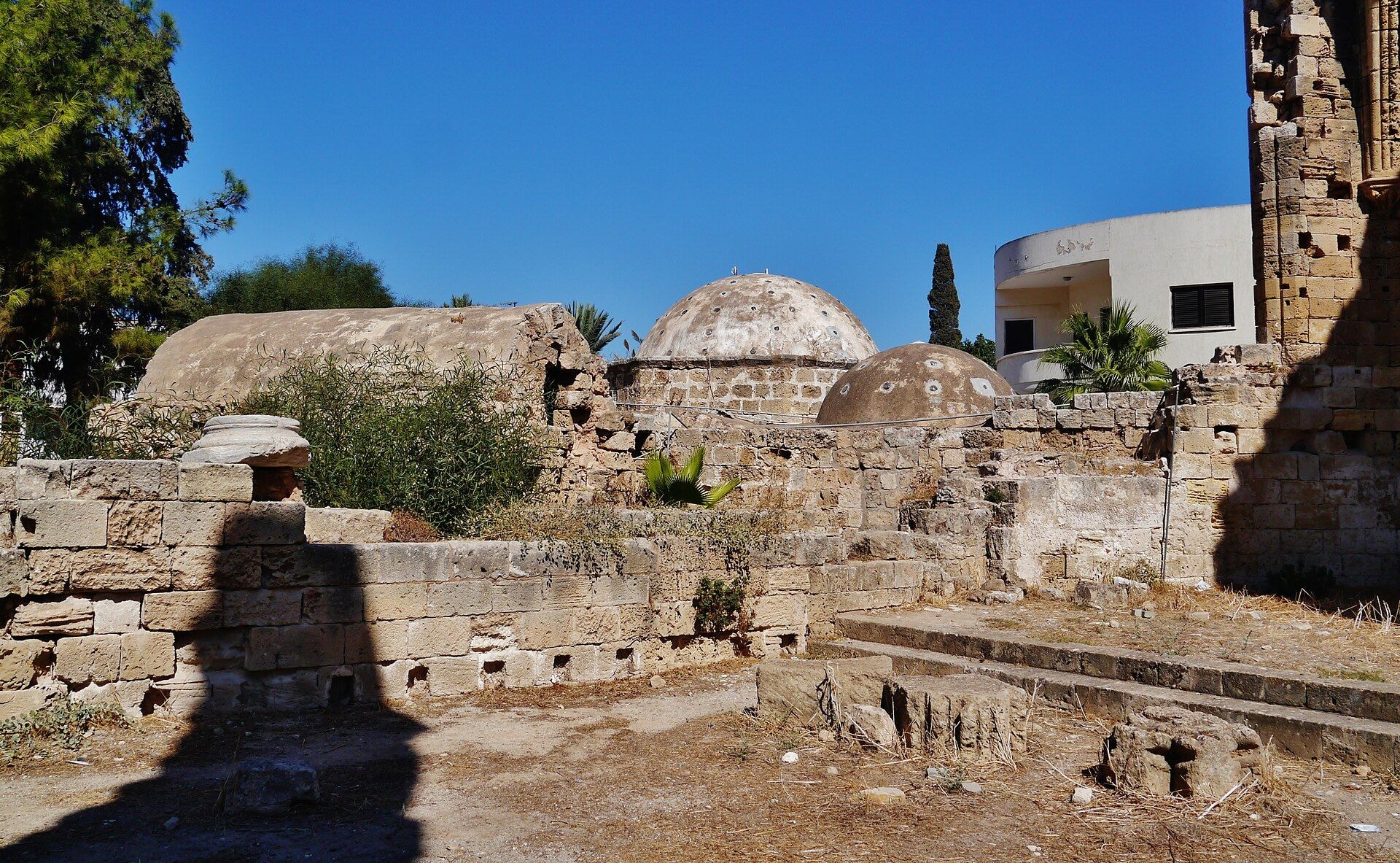
The largest settlement is Dipkarpaz, known in Greek as Rizokarpaso. It is one of the few places in the north where a small Greek community still lives - a few hundred people, with their own church and school. Closer to Famagusta lies Yenierenk�y, the peninsula's second centre, with shops and a petrol station. Both villages have old stone houses and men sitting outside the caf� on the square from early morning. You can eat in small restaurants that cook whatever they have that day - usually grilled meat, salad and home-made bread. There is often no menu; just ask what is on. Payment is in cash, in Turkish lira, and English will only get you part of the way - but people are willing and you will manage with gestures.
Apostolos Andreas Monastery
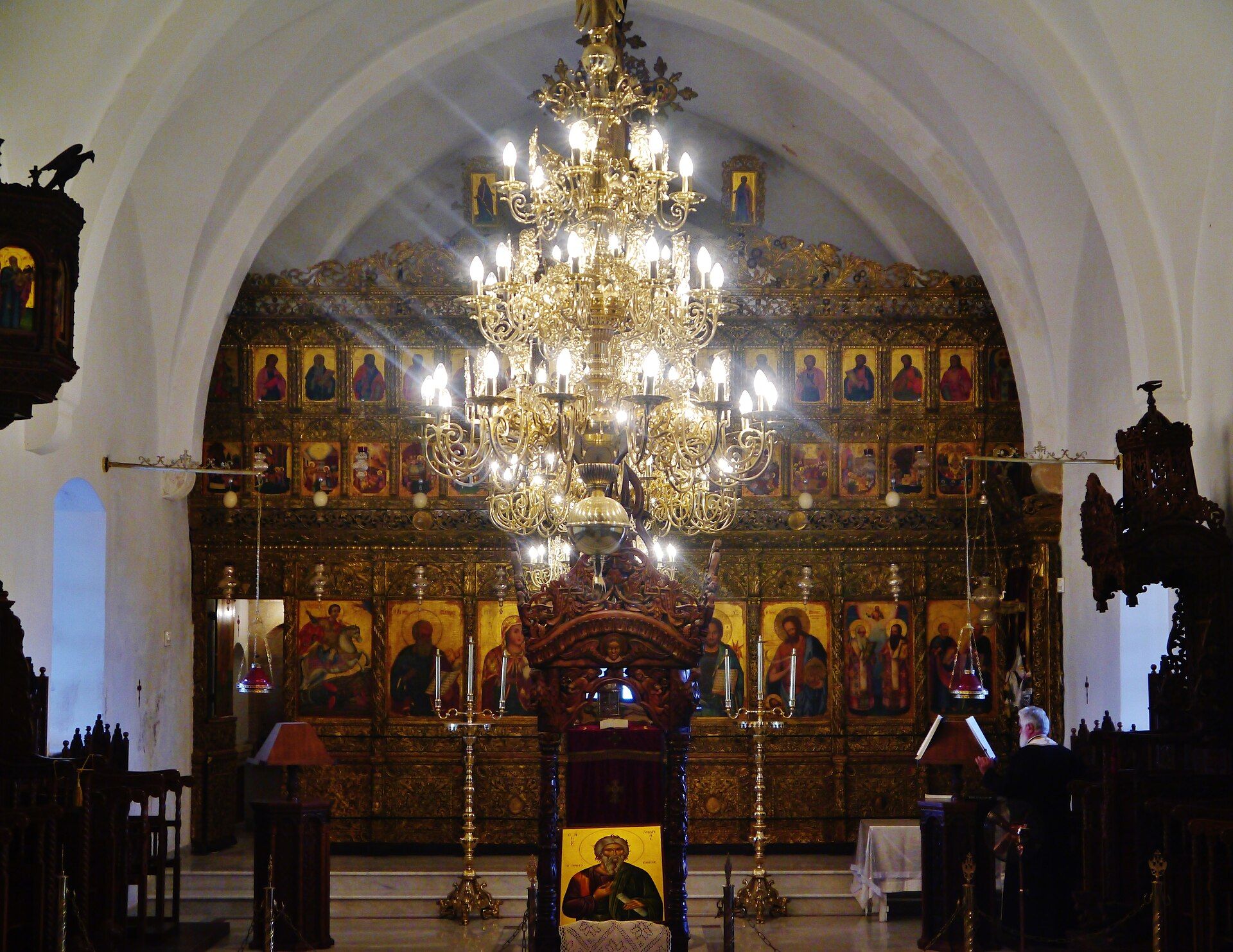
At the very end of the road, where there is nowhere further to go, stands the monastery of Apostolos Andreas. It is one of the most important pilgrimage sites on the island, drawing worshippers from both sides of the dividing line. After a restoration lasting several years it is open again and in good condition. Inside you will find an iconostasis and a silence that feels almost unreal after two hours behind the wheel. Below the monastery a small spring rises - legend has it that the Apostle Andrew struck the rock here so a ship's crew would have water to drink, and that the water restored sight. People still fill bottles from it today.
The beaches of Karpaz
The best known is Golden Beach - several kilometres of golden sand with real dunes, where even in August you will meet at most a few dozen people. Quieter and smaller is Ronnas Bay on the northern side. There is virtually no infrastructure: a couple of wooden bars at Golden Beach and nothing at all elsewhere, so bring your own shade, towel and water. The bottom shelves gently and the sand continues into the sea, though the open water is choppier than the bays near Kyrenia. Sea turtles nest on these beaches, so some stretches are closed at night in summer and the nests are marked with stakes - walk around them and keep your lights off.
Nature through the year
Spring transforms Karpaz. In March and April more than forty species of wild orchid flower here; many grow nowhere but Cyprus and are best looked for along the edges of the fields. The peninsula is also an important stop for migrating birds, which pass through in spring and autumn between Europe and the Middle East. And once the village lights go out, the sky above Karpaz opens up without any light pollution - one of the few such skies left in the Mediterranean. If you stay into the evening, it is worth pulling over on a farm track and simply listening to the quiet.
How to prepare
Set out for Karpaz early and plan for a full day rather than an afternoon trip. Petrol stations are scarce, so fill up in Famagusta before you leave. Take food and water with you, as restaurants exist in only a few villages and may be closed out of season. An ordinary car is fine on the main roads, but the last stretch to several of the beaches is unsurfaced, so allow for slow going. Mobile coverage drops out in places - download the map to your phone in advance.
Karpaz is worth seeing even if you are here looking for a home in northern Cyprus: it shows you what the island was like before the building began. We at CyprusGlobal are glad to help you choose the right location.