Turkish lira in the shops, pounds in real estate — why prices are quoted in a different currency than the one you buy coffee with.
In North Cyprus you will run into something that surprises almost everyone: you pay for your shopping in Turkish lira, yet apartments and houses are priced in British pounds. It is not a mistake or a trick — there is logic behind it. One currency runs everyday life, the other runs long-term contracts. Once you understand why, you can plan ahead for when and in what you will pay, and nothing at the signing will catch you off guard.
Everyday life: the Turkish lira
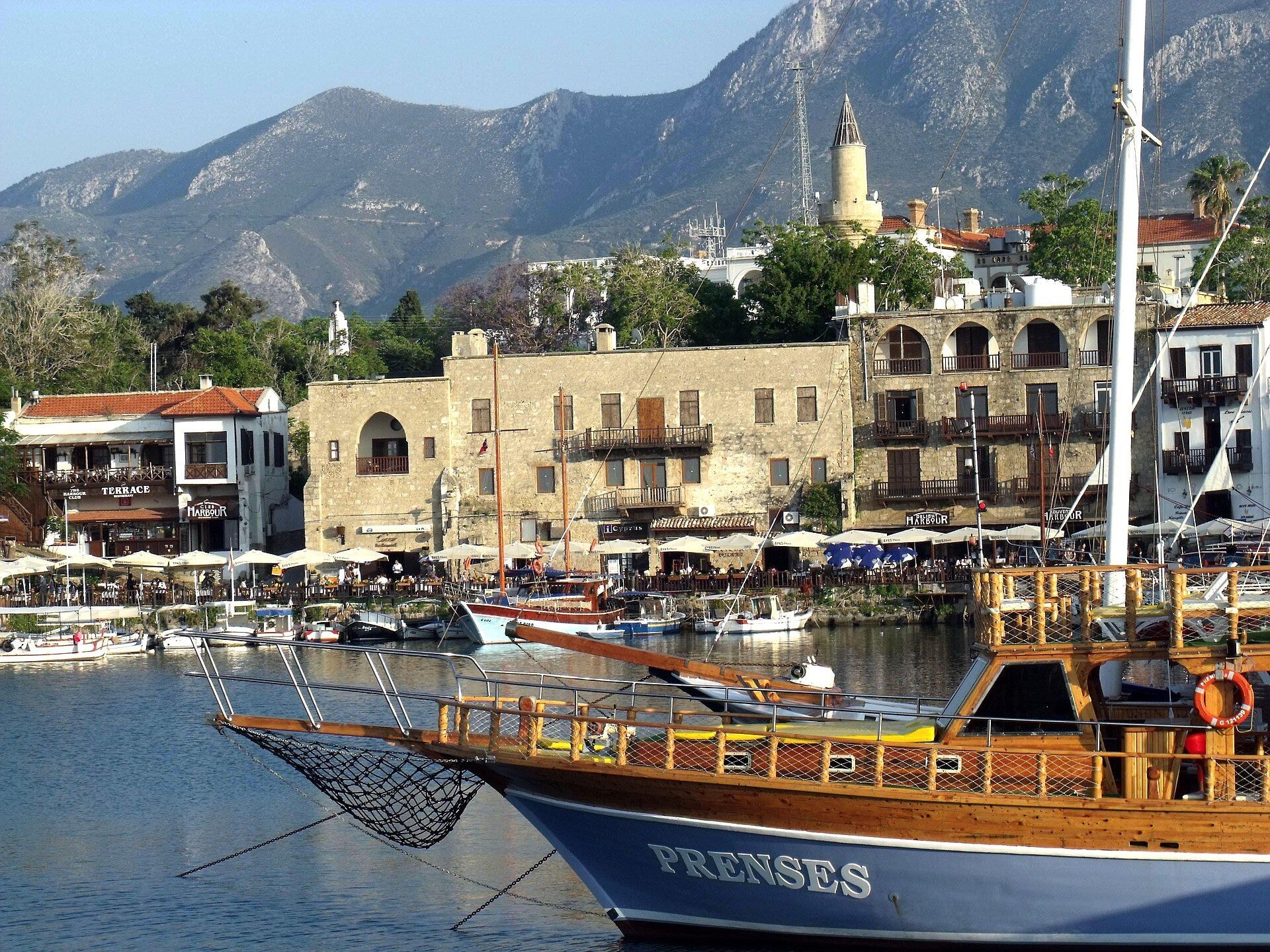
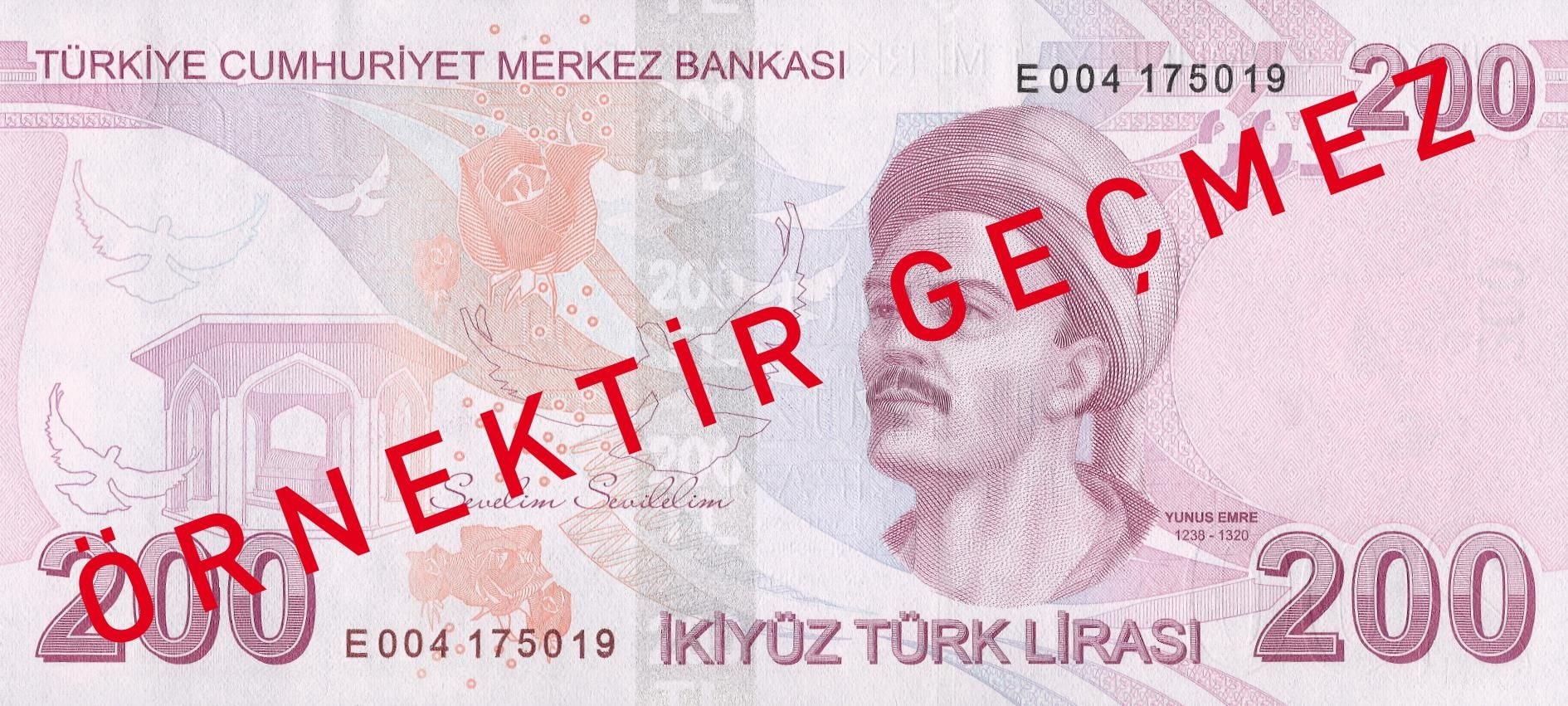
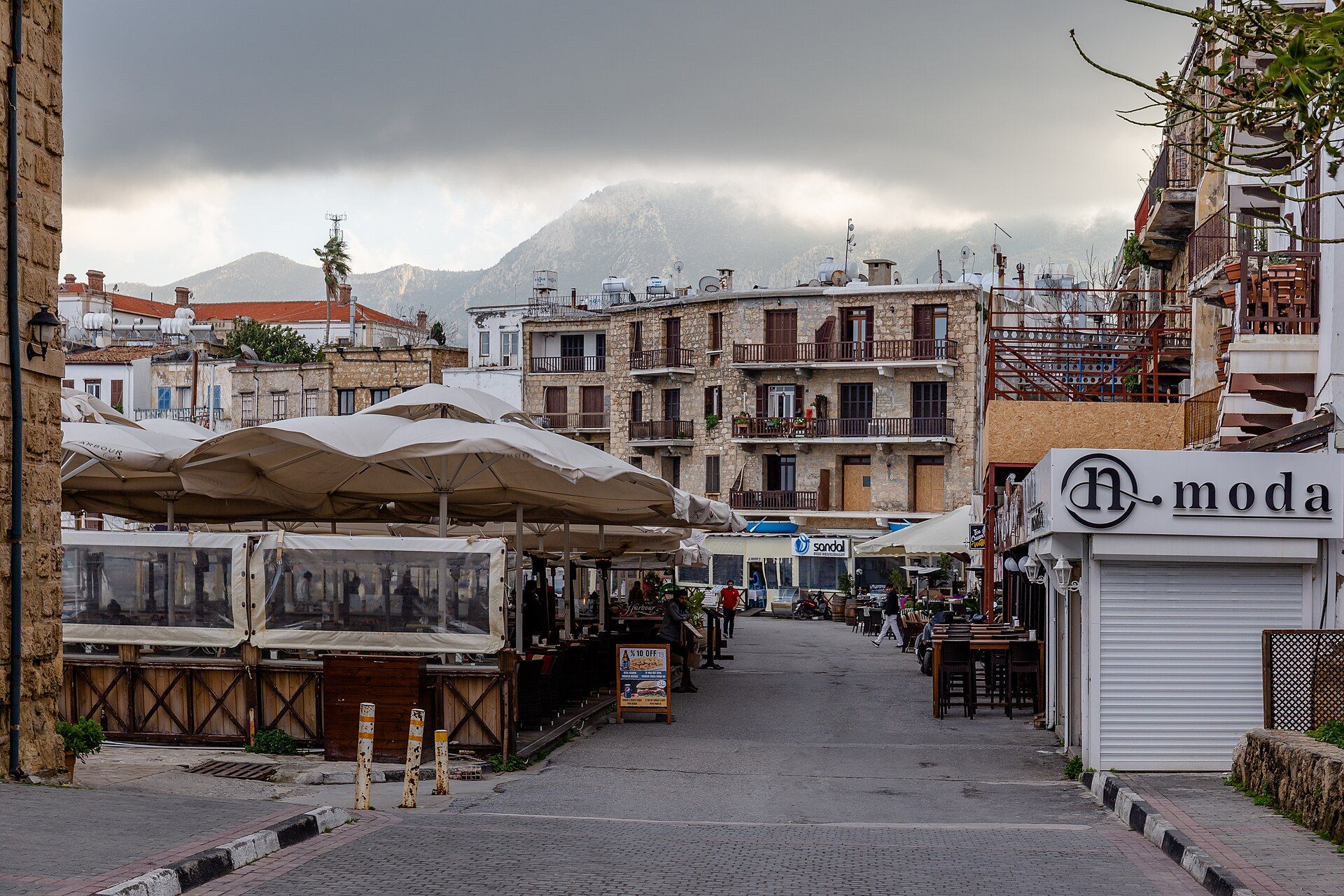
The official currency is the Turkish lira. You use it in shops, restaurants, at the petrol station and for taxis. In towns such as Kyrenia, Famagusta and Iskele card payments are routine — supermarkets, hotels, larger restaurants and fuel stations all take them without a problem. Outside the towns, at markets, in small cafes and with tradespeople, cash still rules, so it pays to keep small notes on you. Cash machines are in every town and most of them dispense euros as well as lira; when withdrawing in a foreign currency, always choose conversion by your own bank rather than by the machine. Exchange offices in central Kyrenia and in Famagusta handle euros and pounds and usually give a better rate than a hotel or the airport. Tipping in restaurants is customary here, though not obligatory.
Property: pounds and euros
Prices for new developments on the island are traditionally quoted in British pounds, often in euros too. The reason is practical: the lira swings sharply, and neither the developer nor the buyer wants the price of an apartment to move from one week to the next. A property in an unfinished development is paid off in instalments and construction can take two years — a stable currency protects both sides over that period. You know what the total will be, the developer knows what to count on. For each instalment it therefore matters how the rate is set: either you pay directly in the contract currency, or the amount is converted at the rate for an agreed date. Which day and which rate applies belongs in the contract, not in a verbal understanding.
A bank account on the island
Your own account at a local bank is not compulsory when buying, but it makes life much easier. It is how you pay utilities, the site management fee, the internet and ordinary invoices, and most of these can be set up as direct debits. The bank will usually want to see your passport, proof of address in your home country, a tax identification number and evidence of the source of funds; some banks also ask for the purchase contract. Bear in mind that banks here are not connected to the European SEPA system. Transfers therefore travel through correspondent banks, take longer than they would within the European Union, and carry fees. It is not an obstacle, it simply needs allowing for when you plan instalment dates.
Sending money from Europe
Money reaches the island by international SWIFT transfer. Your bank will need the recipient's name and address, the account number, the SWIFT/BIC code of the receiving bank, the correspondent bank details and the purpose of payment — for a property purchase, usually the contract number. Fees are charged at both ends: your bank for sending, the receiving bank for crediting, and sometimes the bank in between takes its share too. The second item is the exchange difference — if you send euros to a pound account, the bank does the conversion at its own rate. That is why it is best to send the money in the currency the contract is written in, and to allow a few extra working days.
Costs and fees that come with a purchase
Beyond the price of the property itself, count on further items. These include the property transfer tax, stamp duty on registering the contract, VAT, the fee for the permit a foreign national needs to acquire property, and the lawyer's fee for checking the contract and representing you before the authorities. Some are paid at signing, others only on handover or at the transfer of title. The actual rates change over time, which is why we deliberately do not list them here — we are glad to send the current overview on request, so you can see the real total before you decide.
Everyday household costs
Once you move in, the ordinary monthly items appear: electricity, water, internet and the site management fee. Electricity is billed monthly by consumption and tends to be higher in summer because of air conditioning; water works the same way. The site management fee is paid monthly or yearly and covers maintenance of the pool, gardens and lighting and the cleaning of communal areas — its level depends on what the development offers. Internet is billed monthly according to the plan you choose. We can give you the actual figures for each individual project.
What to watch for when buying
Always check four things in the contract. First, which currency the price is stated in. Second, whether taxes and fees are included or paid separately. Third, who bears the exchange difference and the bank charges on each transfer. And fourth, whether you have the payment schedule in writing — with dates, amounts and the currency for every instalment, not just a spoken promise that it will be sorted out somehow. We can help with all of this; that is exactly why it pays to have someone beside you who knows how things are done locally.