A cheese that will not melt on the grill, dozens of small plates instead of a main course, lamb baked for hours in clay and citrus from Güzelyurt — what people eat on the island and when.
In Northern Cyprus, ordering a "main course" turns out to be an oddly difficult request. The waiter nods, and ten minutes later the table is full of small plates nobody asked for, the main dish still in the kitchen. This is how people eat here: slowly, generously, together. The island sits between Turkish, Greek and Levantine cooking and borrows from all three.
Hellim — the cheese that survives the grill
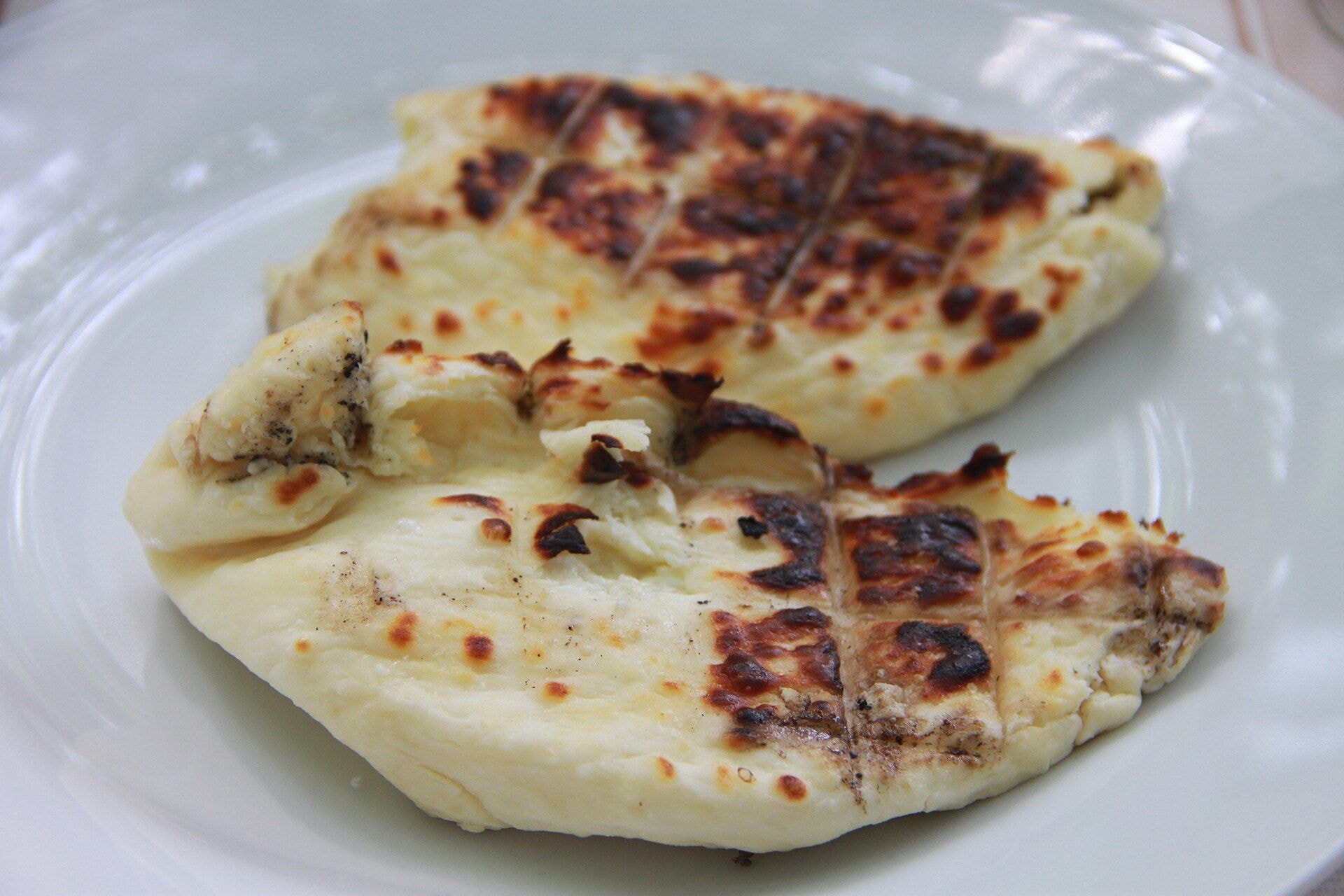
Hellim (halloumi in the island's south) is the most famous thing Cyprus exports. Made from goat's and sheep's milk, sometimes with a little cow's, it has one trick: it takes direct heat, browning in the pan or on the grill instead of collapsing into a puddle. It appears grilled at breakfast, in salad with watermelon, on skewers, or plain with lemon. Fresh, it is mild and lightly salted; matured in brine, firmer and sharper. On a menu, look for hellim ızgara — grilled.
Meze — dinner on thirty small plates
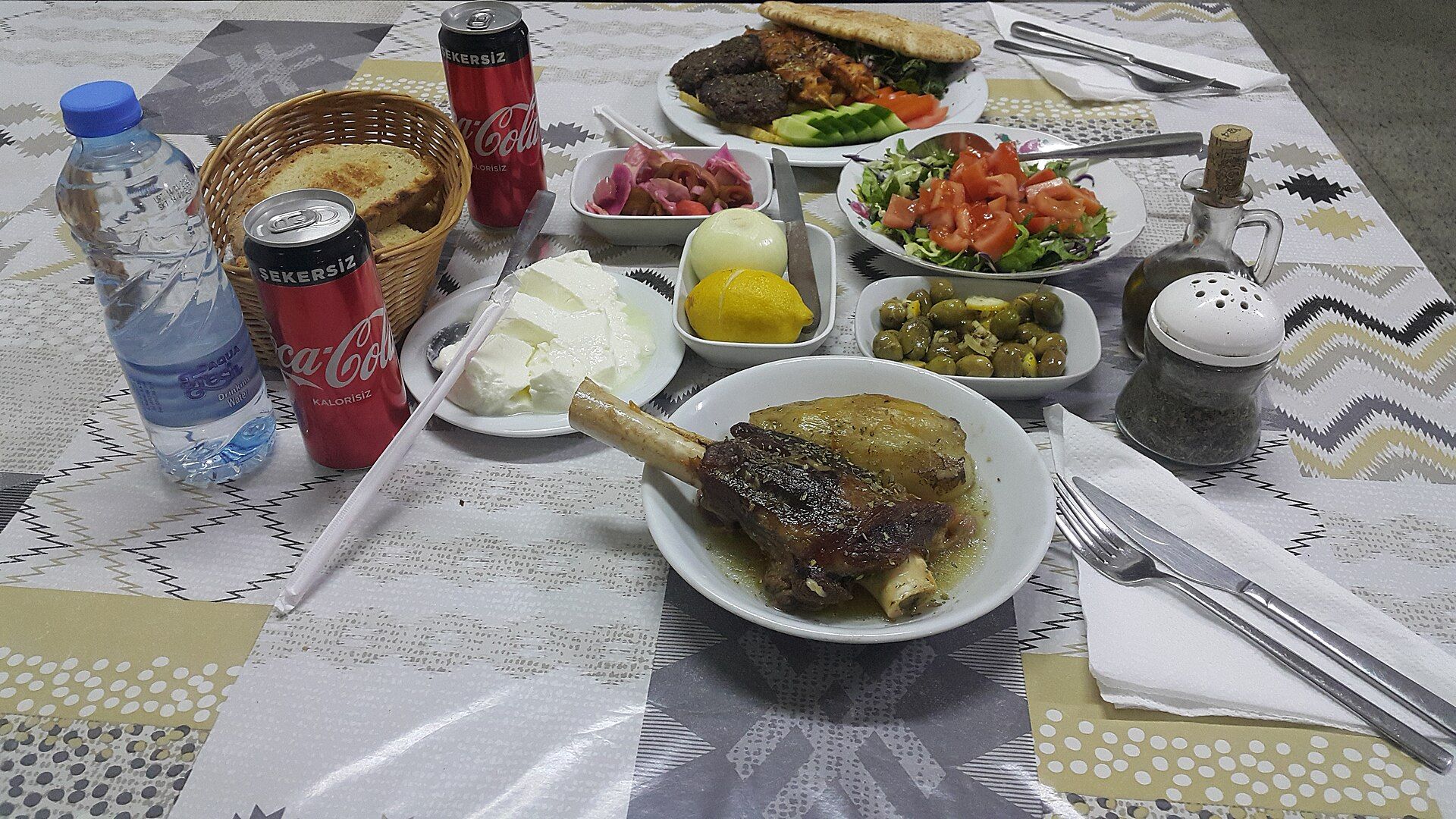
Meze is not a starter but a way of eating: instead of one plate, a series of small bowls arrives — cacık (yoghurt with cucumber and mint), hummus, roasted aubergine, stuffed vine leaves, olives, beans in olive oil, hot pepper paste and pickles, plus warm bread replaced without being asked. They come in waves, sometimes ten of them, in a good restaurant thirty. Only then does the grilled meat appear.
Allow three hours at the table. Anyone who fills up on the first five bowls regrets it an hour later; the pacing is part of it. Meze is ordered for the whole table, and charged per head.
Kleftiko, şeftali and what comes off the fire
Kleftiko is a leg of lamb baked for hours in a clay oven sealed with dough so no steam escapes. The meat is never carved; it falls off the bone. The name comes from the Greek word for thief: stolen sheep, the legend goes, were cooked in a covered pit so the smoke would not betray them.
Şeftali kebab is a Cypriot speciality found nowhere else: minced lamb with onion and parsley wrapped in caul fat and grilled over charcoal. It has nothing to do with the peach that şeftali otherwise means in Turkish. Homelier is molehiya, a thick green stew of the leaves of the same name, simmered for hours with lamb or chicken and for many the most Cypriot dish there is. With it comes pilav: rice or bulgur, the side that accompanies everything here.
Fish in the harbour restaurants
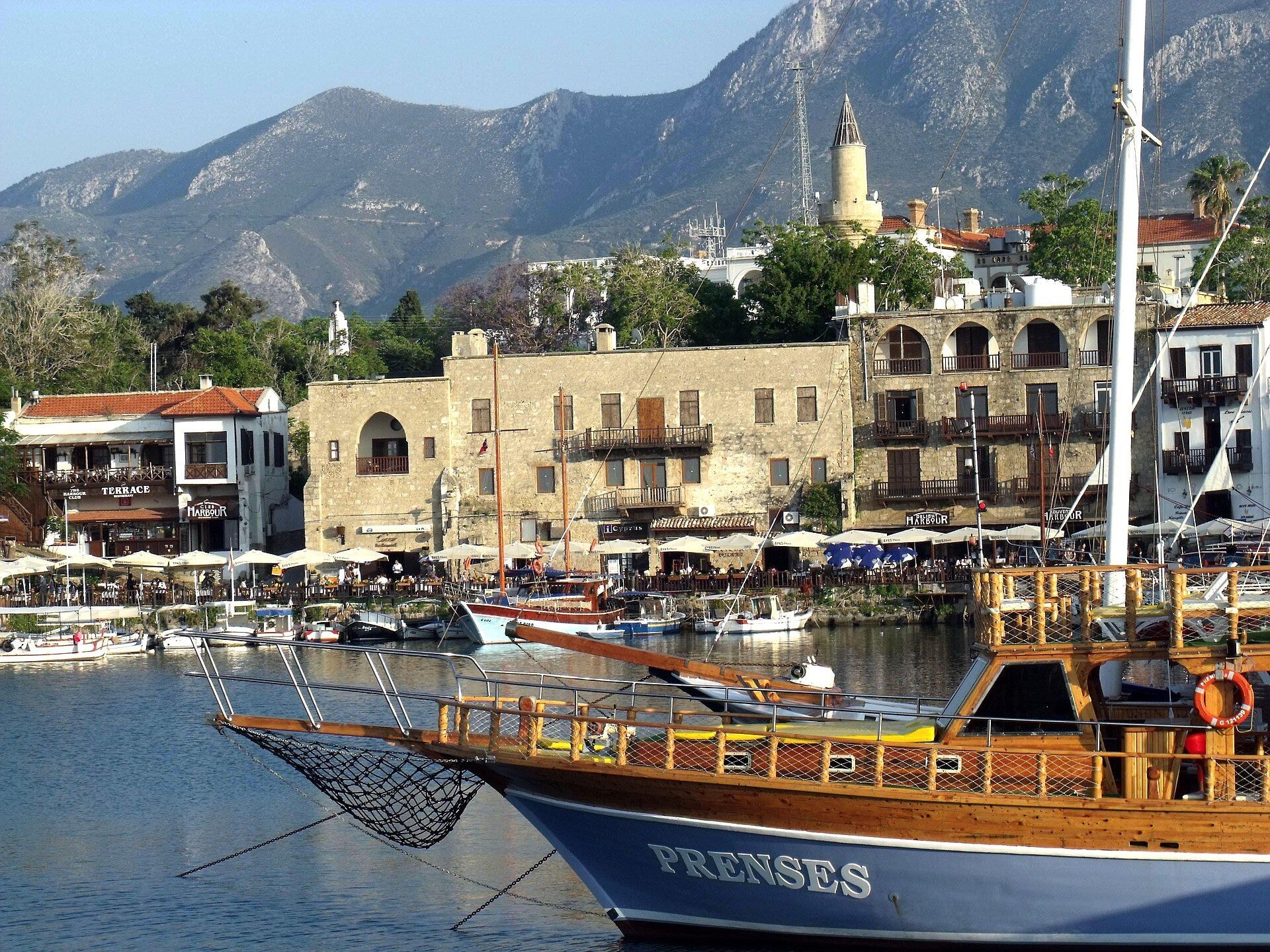
In Kyrenia, Bogaz and smaller harbours you sit beside the boats and pick your fish by weight from the chilled counter. Sea bass (levrek), sea bream (çipura), red mullet (barbun) and octopus are the usual catch, cooked simply: grilled with lemon, olive oil and salad. Ask what came in today and what is frozen; staff answer straight. Local fish is best from autumn to spring.
Fruit, vegetables and market days
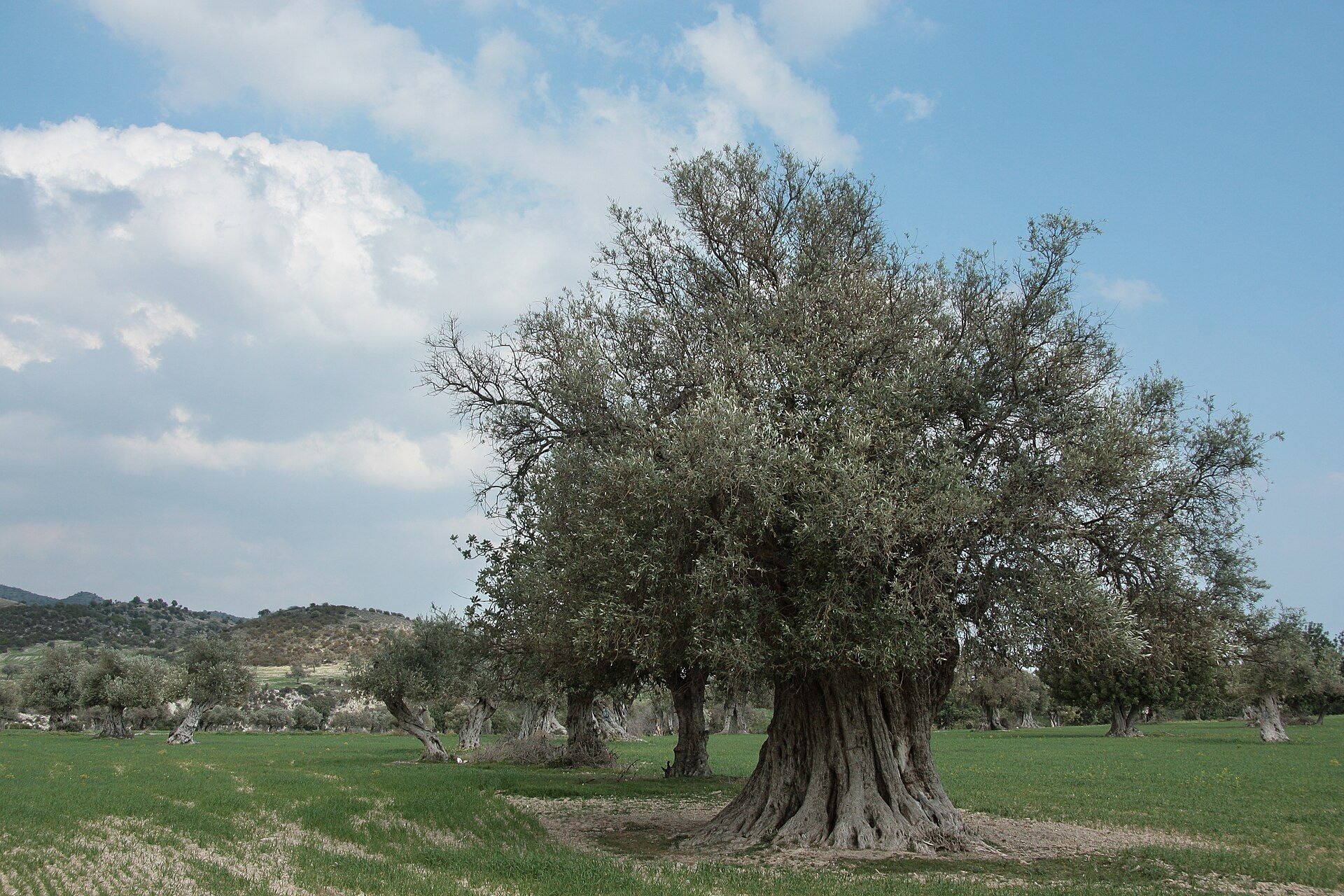
The country around Güzelyurt in the west is the island's orange belt, a valley of citrus groves. The harvest runs from December to March, and freshly squeezed juice is then sold at the roadside. Pomegranates and figs ripen in autumn, melons and grapes in summer, avocados in winter. Olives are pressed in November, the first pressing tasting strong and slightly peppery.
Every larger town has a market day, usually weekly and always in the morning. Prices are per kilo and haggling is not the custom. The market is the quickest way to learn what is in season.
Coffee, tea and what goes with them
Turkish coffee is brewed in a long-handled pot and served in a small cup with water and lokum. Drink it slowly and leave the last mouthful, where the grounds settle. Order it by sweetness: sade (no sugar), az şekerli (a little), orta (medium), şekerli (sweet). Tea is drunk all day from small tulip-shaped glasses and in cafés often arrives unordered. The usual drink with food is ayran, salted yoghurt; among spirits, local zivania, a clear grape brandy served chilled with meze.
The breakfast that makes lunch unnecessary
Cypriot breakfast (serpme kahvaltı) is meze in the morning: grilled hellim, white cheese, olives, cucumber, tomato, boiled eggs or menemen with peppers, honey with kaymak cream, homemade jam, fresh bread and endless tea. It takes an hour and a half, and nobody wants lunch afterwards. Vegetarians do well here: most meze and the whole breakfast are meat-free, and nobody blinks if you skip the meat.
If you are looking for a home on Cyprus, we are happy to tell you about its surroundings: which neighbourhood has a market within reach, and where dinner is a short walk away. Get in touch with CyprusGlobal.